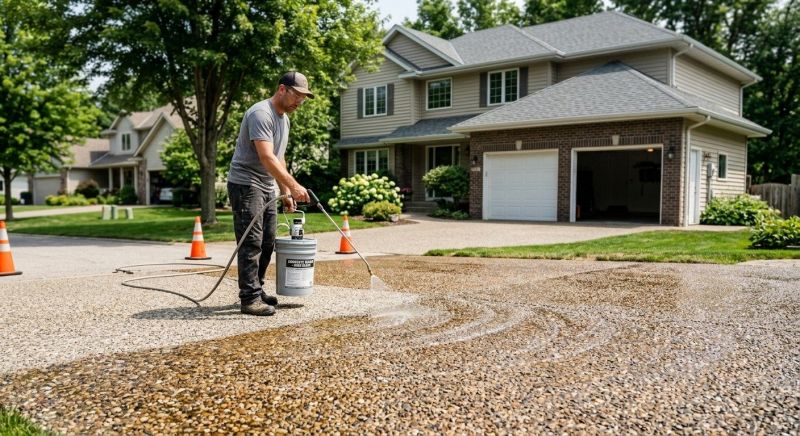
Aggregate Sealing in Seattle, WA
Aggregate sealing services involve applying a protective layer to paved surfaces made of gravel, crushed stone, or similar materials to enhance durability and appearance. This process is commonly used on driveways, walkways, patios, and other outdoor areas to prevent erosion, reduce dust, and improve the surface’s resistance to weathering. Property owners typically seek aggregate sealing to extend the lifespan of their paved surfaces, maintain a clean look, and reduce ongoing maintenance needs.
Before requesting aggregate sealing, property owners often want to understand the condition of their existing surfaces, including any cracks, loose stones, or areas needing repair. It’s also helpful to know the type of aggregate material used and the desired finish or appearance after sealing. Proper surface preparation and choosing the right sealant are essential to achieve the best results, ensuring the surface remains functional and visually appealing for years to come.
Many property owners in Seattle, WA look into Aggregate Sealing for repairs, replacements, upgrades, and appearance-related improvements.
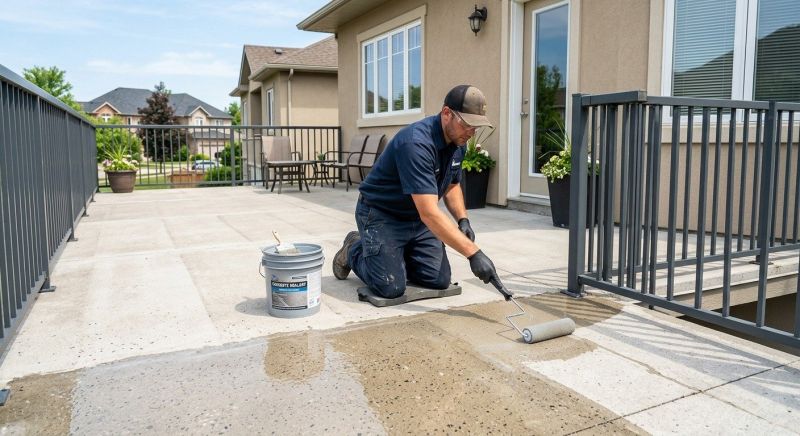
Benefits Of Aggregate Sealing
Sealing aggregates helps protect surfaces from stains, water damage, and wear caused by foot traffic and weather conditions.
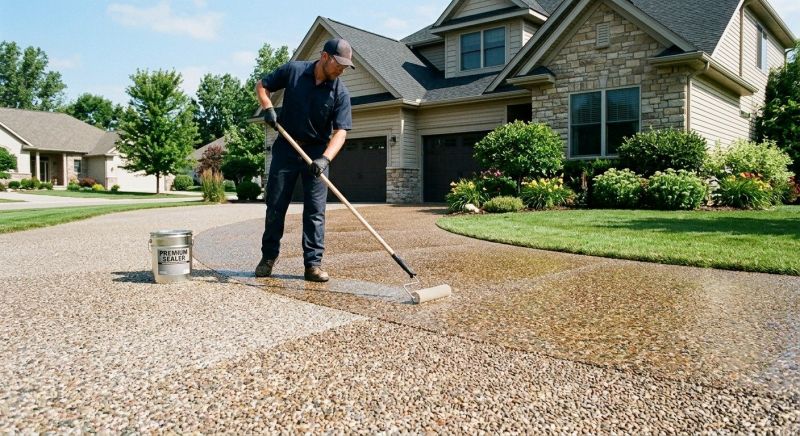
Common Applications
Aggregate sealing is often used on driveways, walkways, patios, and outdoor entertainment areas in seattle properties.
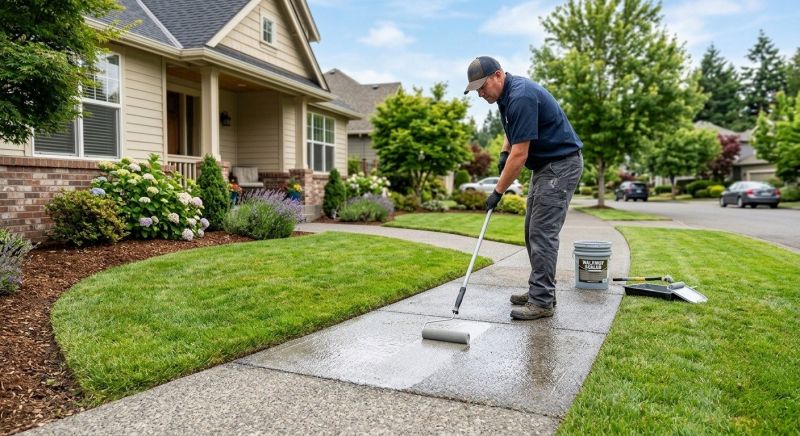
Maintenance And Longevity
Proper sealing extends the lifespan of aggregate surfaces and reduces the need for repairs over time.
Aggregate Sealing in Seattle, WA
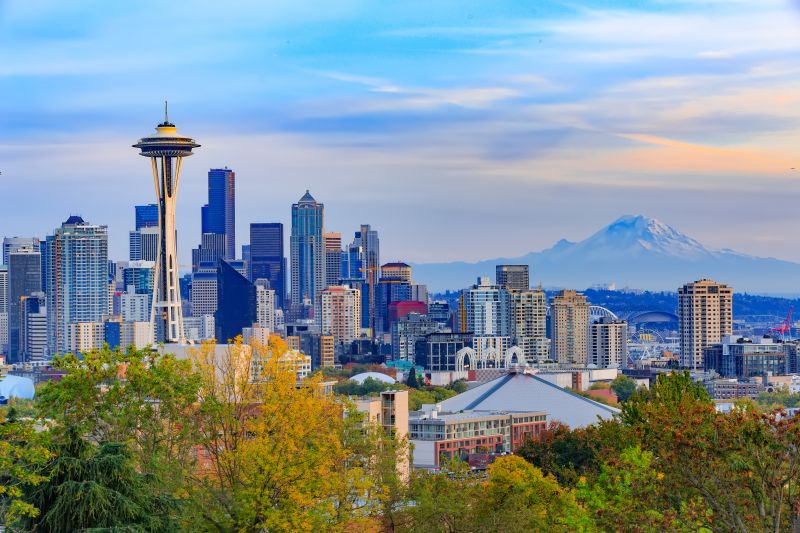
Aggregate sealing services involve applying a protective layer to paved surfaces made of gravel, crushed stone, or similar materials to enhance durability and appearance. This process is commonly used on driveways, walkways, patios, and other outdoor areas to prevent erosion, reduce dust, and improve the surface’s resistance to weathering. Property owners typically seek aggregate sealing to extend the lifespan of their paved surfaces, maintain a clean look, and reduce ongoing maintenance needs.
Before requesting aggregate sealing, property owners often want to understand the condition of their existing surfaces, including any cracks, loose stones, or areas needing repair. It’s also helpful to know the type of aggregate material used and the desired finish or appearance after sealing. Proper surface preparation and choosing the right sealant are essential to achieve the best results, ensuring the surface remains functional and visually appealing for years to come.
Many property owners in Seattle, WA look into Aggregate Sealing for repairs, replacements, upgrades, and appearance-related improvements.
Common Aggregate Sealing Jobs
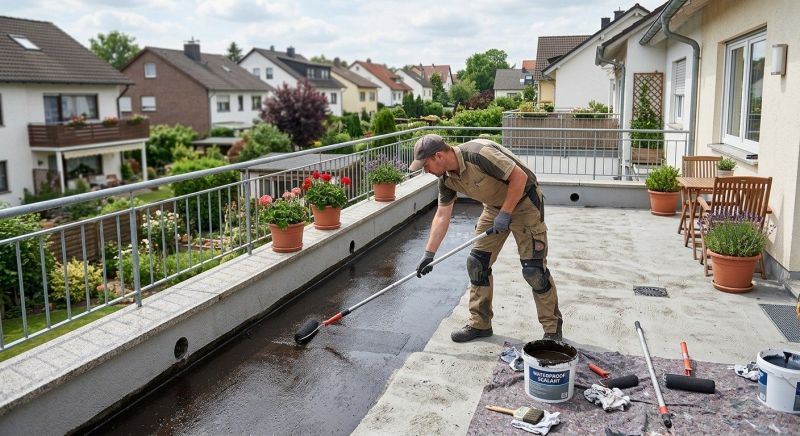
Foundation Sealing - helps prevent water infiltration and structural damage around basement and crawl space foundations.
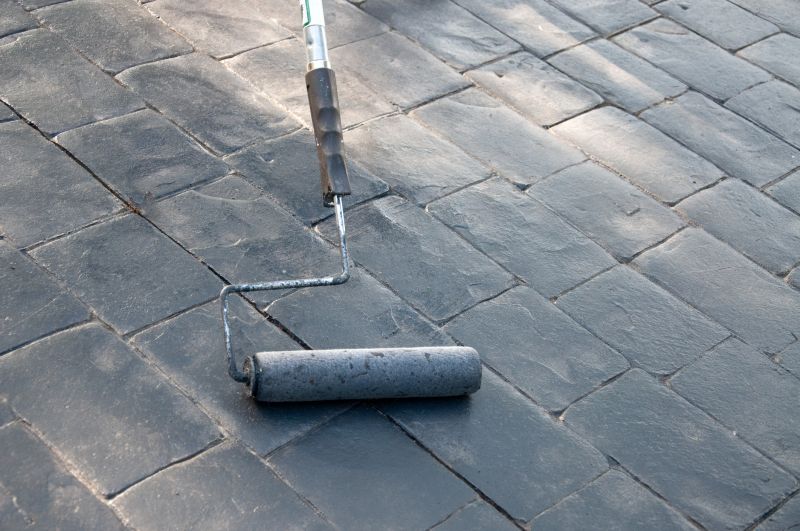
Driveway Sealing - protects asphalt and concrete driveways from cracking, staining, and weathering.
Garage Floor Sealing - creates a durable barrier against stains, spills, and wear in residential garages.
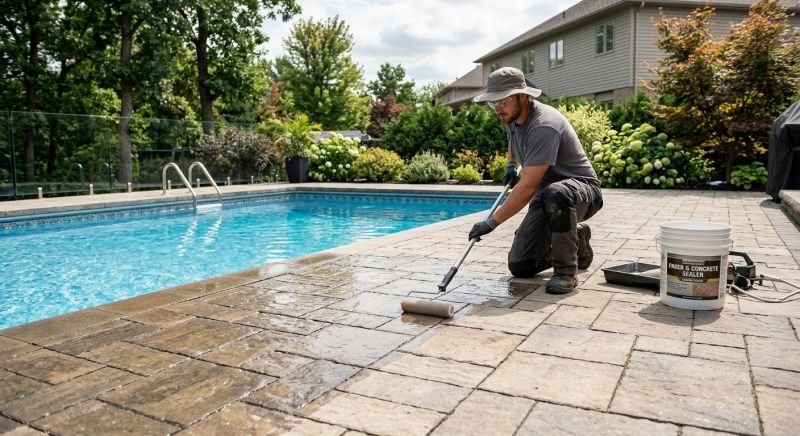
Pool Deck Sealing - safeguards concrete or paver surfaces from moisture damage and surface deterioration.
Patio and Walkway Sealing - enhances resistance to weather and foot traffic while maintaining appearance.
Crack and Joint Sealing - fills gaps to prevent water entry and further structural issues.
Aggregate Sealing Questions
What is aggregate sealing? Aggregate sealing involves applying a protective coating to exposed aggregate surfaces to enhance durability and appearance.
Which surfaces benefit from aggregate sealing? Driveways, walkways, patios, and other decorative concrete surfaces can be sealed for added protection.
How often should aggregate surfaces be sealed? Typically, sealing is recommended every 2 to 3 years to maintain optimal protection and appearance.
What are the advantages of sealing aggregate surfaces? Sealing helps prevent staining, reduces surface wear, and preserves the natural look of the aggregate.
Request Aggregate Sealing in Seattle, WA
Use the quote form on this page to share the basics of your project and request more information for the type of work you need.